

What to Know Before Choosing a Whole Home Generator for Reliable Backup Power
Power outages can strike without warning, leaving your home in the dark when you least expect it. For Eastern North Carolina homeowners, having a whole home generator means your family stays safe and comfortable through storms and blackouts. In this guide, you’ll learn the key facts about choosing the right generator—from sizing and fuel options to placement and maintenance—so you can make a confident choice backed by R&T Power Systems‘ certified Kohler expertise.
Choosing the Right Generator

When it comes to keeping your home powered, knowing the essentials of generator selection is crucial. Let’s start with understanding the important factors like size, fuel type, and transfer switches.
Generator Sizing Basics
Picking the correct size ensures you have enough power to keep your entire home running smoothly. A generator that’s too small could leave you with limited power during an outage. Most people believe a bigger generator is always better, but that’s not necessarily the case.
Begin by listing the key appliances and systems you need powered during an outage. Think about essentials like your fridge, lights, and HVAC system. Use a wattage calculator to estimate total power needs. For an accurate assessment, consult a professional to determine the right size for your home. This ensures you’re not overspending on a generator that’s too large or underpowered.
Fuel Type: Propane vs. Natural Gas
Deciding between propane and natural gas is key to your generator’s efficiency and ease of use. Each has its own benefits, and the choice depends on your specific needs and existing infrastructure.
Propane generators are popular due to their long shelf life and cleaner burn. They also work well in rural areas where natural gas lines may not be available. On the other hand, natural gas provides a continuous fuel supply, eliminating the need for manual refueling. This can be a huge advantage during extended power outages. Consider the availability and cost of each fuel option in your area when making your choice.
Understanding Transfer Switches
Transfer switches are the bridge between your generator and your home’s electrical system. They automatically shift power from the grid to your generator during an outage. This ensures a smooth transition without manual intervention, keeping your home powered seamlessly.
There are two main types: automatic and manual. An automatic transfer switch is convenient and ideal for those who want hassle-free operation. A manual switch is more hands-on but can be a cost-effective choice. Understanding how each works will help you decide which fits your comfort level and budget.
Installation and Placement Guide
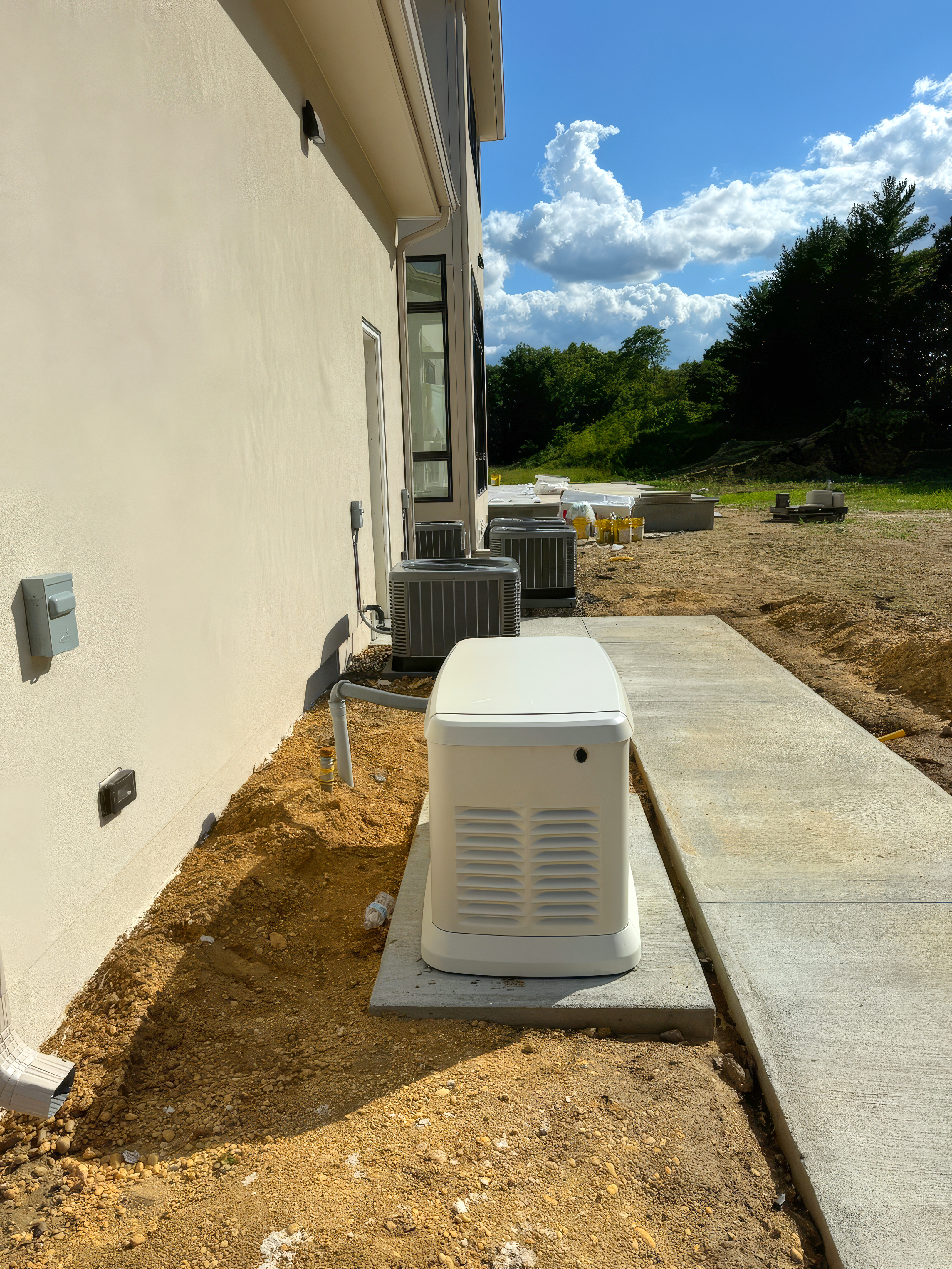
Once you’ve chosen the right generator, knowing where and how to install it is the next step. Proper installation ensures optimal performance and safety.
Ideal Generator Placement
Placement is crucial for the efficient operation of your generator. It should be accessible for maintenance yet secure from potential hazards. Most people think placing a generator anywhere outside is fine, but it requires careful planning.
Choose a location that is close to your electrical panel and fuel source. It should be on a stable, level surface, away from doors and windows to prevent exhaust fumes from entering your home. This setup not only ensures safety but also maximizes the generator’s lifespan.
Noise Level Considerations
Generators can be noisy, and this is a common concern among homeowners. Noise levels are typically measured in decibels, and understanding this can help you choose a quieter model.
Look for models with insulated enclosures that reduce noise. Generators with lower decibel ratings can be less disruptive to you and your neighbors. If noise is a significant concern, consider additional soundproofing measures, such as a noise-canceling enclosure.
Permit and HOA Requirements
Before installation, it’s important to check local regulations and HOA guidelines. These rules ensure your generator is set up safely and legally.
Permits are often needed to ensure compliance with building codes. Homeowner associations may have specific guidelines about generator placement and appearance. Neglecting these can lead to fines or having to relocate your generator. Check these requirements early to ensure a smooth installation process.
Maintenance and Costs
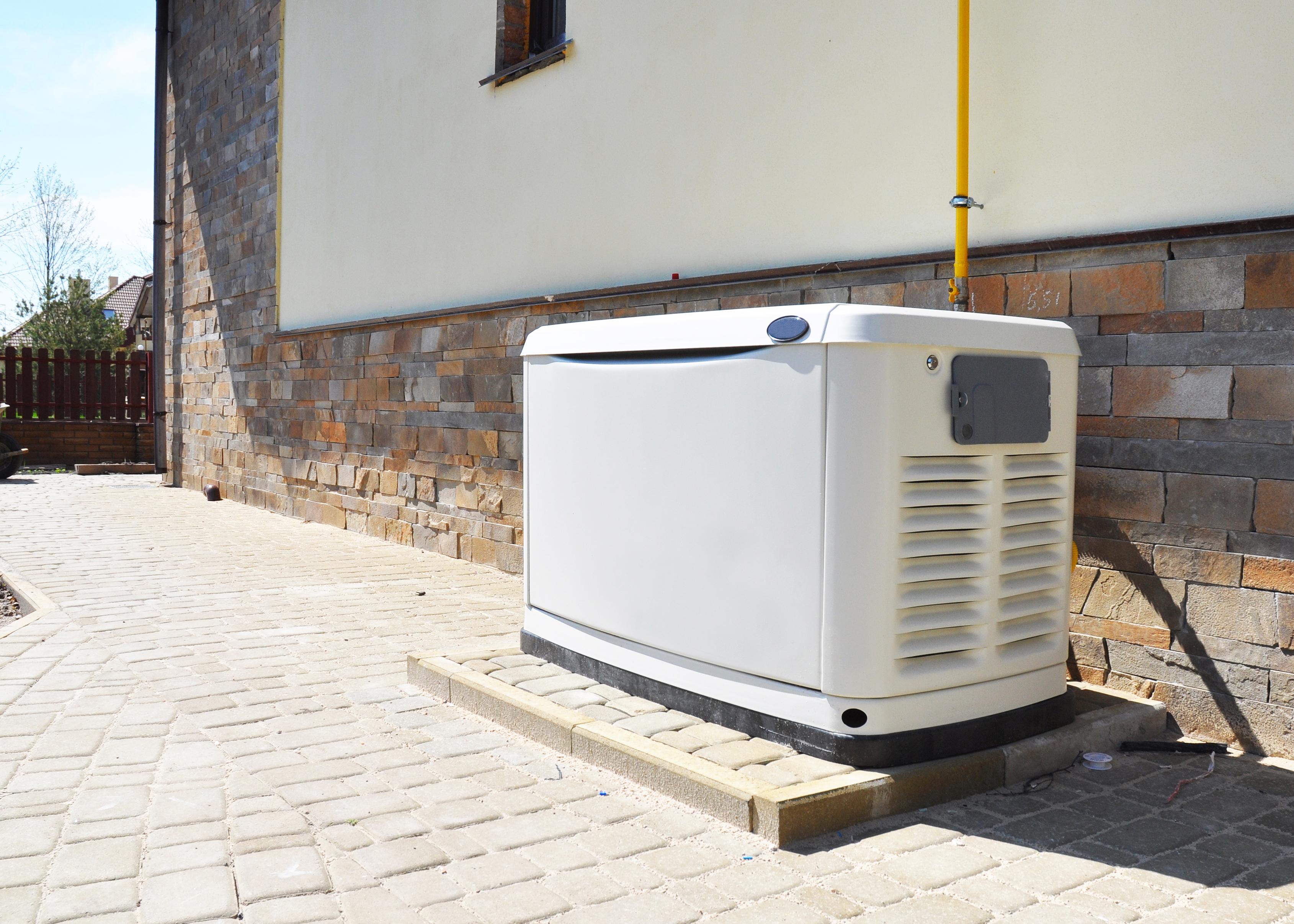
A generator is a long-term investment, and understanding the maintenance and cost involved is essential for a worry-free experience.
Routine Generator Maintenance
Regular maintenance is key to keeping your generator in top condition. Like any machine, it requires periodic checks to ensure reliable performance.
Schedule routine inspections and servicing to catch potential issues before they become major problems. This includes checking oil levels, inspecting fuel lines, and cleaning components. A well-maintained generator can last longer and perform better, saving you costly repairs down the line.
Total Cost Breakdown
Understanding the total cost of owning a generator goes beyond the purchase price. Consider installation, fuel, maintenance, and any permits required.
Costs can vary widely depending on generator size and features. Get a comprehensive quote from a trusted provider, like R&T Power Systems, to understand what you’re signing up for. A clear picture of the costs involved helps you budget effectively and avoid surprises.
Scheduling Your Free Assessment
Taking the first step toward reliable backup power can feel overwhelming. That’s why starting with a free assessment is a smart move.
By scheduling a consultation, experts can evaluate your home’s specific needs and offer tailored solutions. This step ensures you get the right generator setup for your home, providing peace of mind during storms and blackouts.
The longer you wait, the longer you risk being left in the dark. Ready to secure reliable power for your home? Schedule your free assessment with R&T Power Systems today and experience the Promise of Power firsthand.
This guide aimed to equip you with the knowledge needed to make an informed decision about your generator needs. With the right setup, your home can remain a safe haven, no matter what the weather brings.