

How to Choose the Perfect Generator for Your Unique Power Needs in Eastern North Carolina
Power outages hit Eastern North Carolina hard, especially when storms roll in. You need a generator that fits your exact power needs—whether it’s for your home, business, or boat. Choosing the right Kohler generator means knowing how to size, select, and plan for reliable backup power. Let’s break down what you need to get started with confidence. For more information, visit this link.
Choosing the Right Generator

When it comes to ensuring uninterrupted power, picking the right generator is key. Let’s look at how to pinpoint your exact needs and explore your options.
Assessing Your Power Needs
Understanding your power requirements is the first step. It’s not just about keeping the lights on; it’s about maintaining your lifestyle without interruption. Start by listing all essential appliances and systems. Think about what’s truly necessary during an outage. Calculate the total wattage these items demand. This helps you avoid undersized solutions.
Most people think a small generator will suffice, but it’s better to err on the side of caution. Overloading can lead to failures. Consider the potential for growth in your power needs too. A little planning now can save a lot of hassle later. If you’re unsure where to start, you can find guidance in articles like this one.
Understanding Generator Options
Generators come in all shapes and sizes, each designed for different needs. There are portable models for temporary use and standby ones for permanent installation. Portable units are great for short-term outages but require manual operation. Standby generators automatically kick in during a power loss. They run on propane or natural gas, ensuring continuous operation without refueling.
Think about where and how often you’ll use the generator. For most homes in storm-prone areas, standby systems offer peace of mind with minimal fuss. They start automatically, offering seamless power transitions. For a deeper dive into choosing the right generator type, check out this useful resource.
Installation and Maintenance Essentials
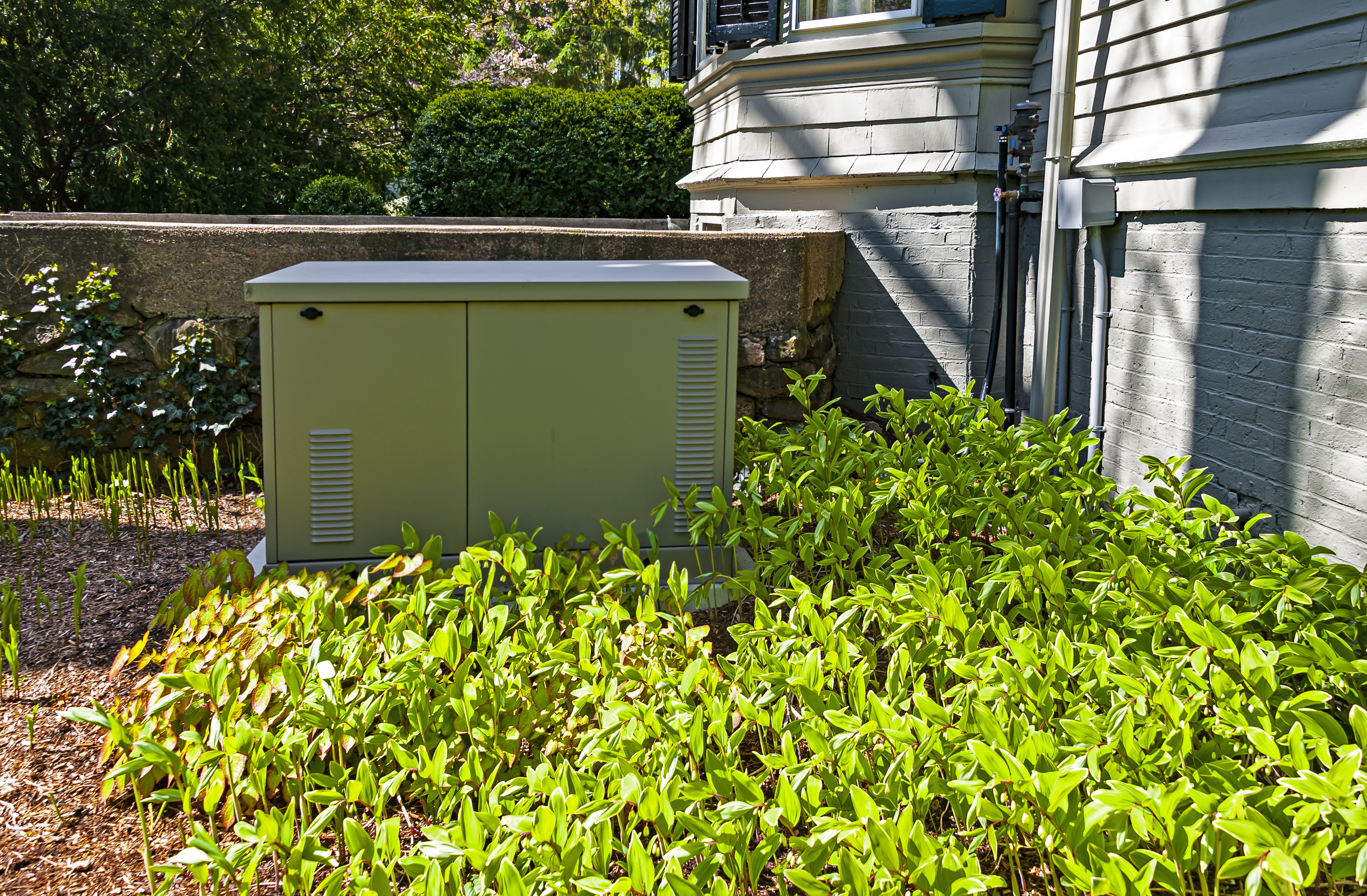
Now that you know what generator fits your needs, let’s dive into why professional installation and maintenance are crucial.
Professional Installation Benefits
Installing a generator is not a DIY project. It involves electrical systems that require expertise. Professional installers ensure your system is set up safely and correctly. They handle all the wiring and test the generator to make sure it works perfectly. This ensures long-term reliability. Plus, a certified installation might be required to maintain your warranty.
Some think they can cut corners by doing it themselves, but this can lead to costly mistakes. Professional installation eliminates guesswork and ensures your generator operates efficiently. For more reasons why professional installation is beneficial, you can read about it here.
Long-term Maintenance Plans
A generator is an investment that requires regular care. Routine maintenance keeps it running smoothly and extends its life. This involves checking oil levels, replacing filters, and testing the battery. Scheduling annual checkups with a professional can prevent unexpected failures.
Think of it like a car; regular tune-ups keep it on the road longer. Most people assume once installed, a generator is maintenance-free. But neglect can lead to breakdowns just when you need power most. Protect your investment with a maintenance plan.
Storm Preparedness and Backup Power
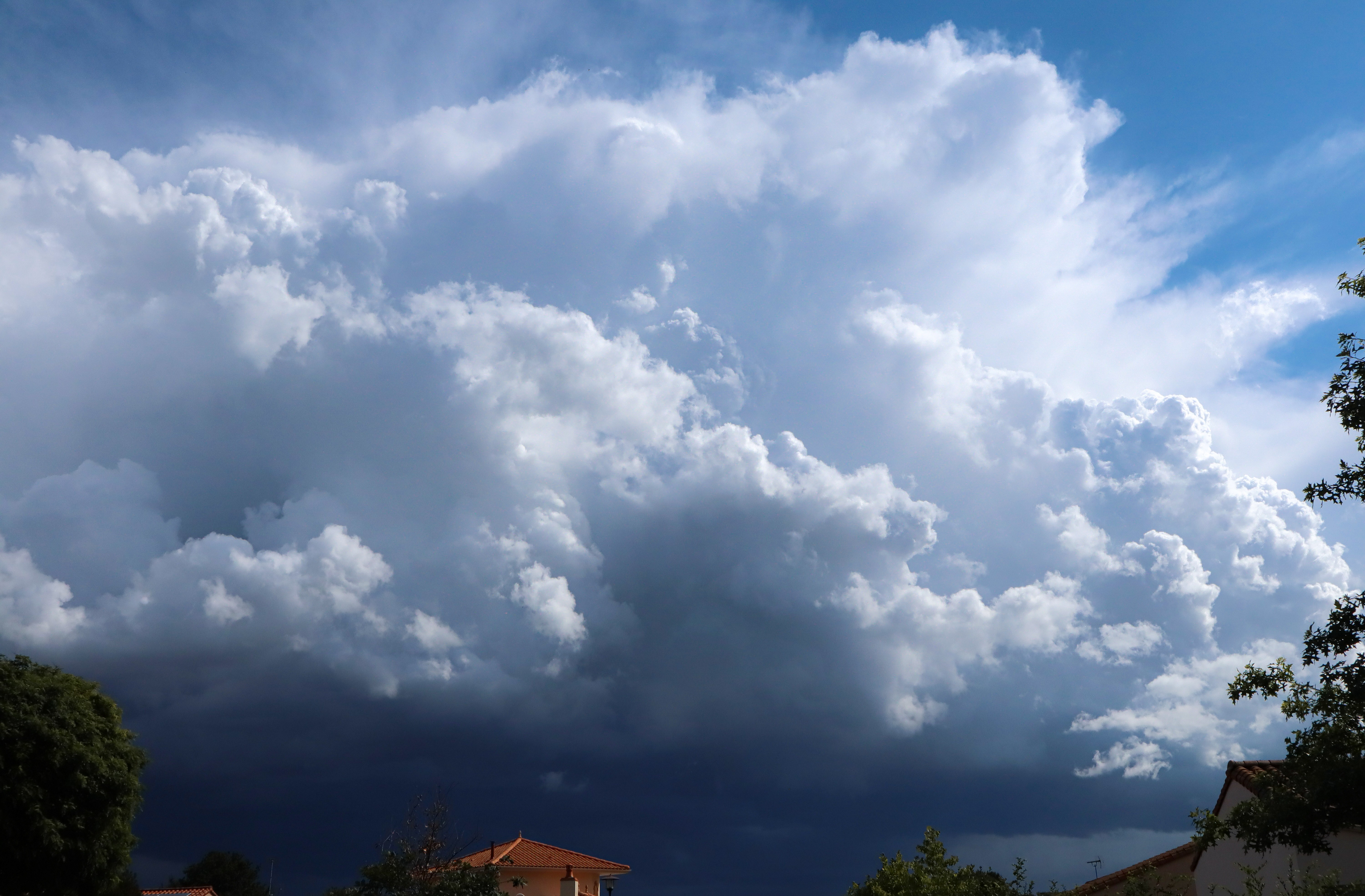
In storm-prone North Carolina, being ready for hurricanes is a must. Let’s explore how to prepare and ensure your generator is up to the task.
Preparing for Hurricanes in NC
Hurricane season brings unpredictable weather. Being ready means more than just having a generator. You need a solid plan. Stock up on essentials like water and non-perishable food. Know your generator’s capacity and what it can power. This helps prioritize during an outage.
The longer you wait to prepare, the less time you have to address unexpected needs. Most people think they can scramble at the last minute, but preparation is key to riding out storms safely.
Emergency Power Solutions
When the power goes out, your generator becomes a lifeline. Ensure it’s ready to handle emergencies. Conduct regular tests to ensure it starts and runs smoothly. Keep fuel tanks full, and store extra oil and filters. This ensures you’re not caught off guard.
Consider installing a transfer switch if you haven’t already. This makes switching from grid to generator power seamless. You’ll have peace of mind knowing your power solution is reliable. For more on emergency solutions, visit this guide.
By understanding your power needs, choosing the right generator, and ensuring proper installation and maintenance, you can stay prepared for any storm. For more insights and options, check out our resources and become part of the R&T Power Systems family with reliable support.